

There is extensive already bibliography discussing the concept, as we can read from the book Ambient Assisted Living and Enhanced Living Environments, 2017 “The smart home concept offers a world of possibilities in the development of context-aware homes able to take intelligent decisions and respond autonomously according to the environmental situation at any moment.

Artificial intelligence provides ad hoc concepts and techniques that support this view from a computational perspective. However, research on smart homes has traditionally prioritized network and hardware-based solutions”.
According to other editors on the concept, for example in the book “Renewable and Sustainable Energy Reviews, 2019″ by Sharif Naser Makhadmeh, … Zaid Abdi Alkareem Alyasseri, a smart home has been defined in several ways based on its features.
The book references many Lutolf states “The smart home concept is the integration of different services within a home by using a common communication system. It assures an economic, secure, and comfortable operation of the home and includes a high degree of intelligent functionality and flexibility”. According to Alam a smart home is defined as: “An application of ubiquitous computing that is able to provide user context-aware automated or assistive services in the form of ambient intelligence, remote home control or home automation”. while according to Berlo smart home is defined as: “A home or working environment, which includes the technology to allow the devices and systems to be controlled automatically, may be termed a smart home”.

 New progress in wireless connectivity technologies and protocols such as Zigbee, 6LoWPAN, WiFi, Bluetooth, and Z-Wave has enabled a much more cost-effective and flexible type of communication that matches the evolving trends.
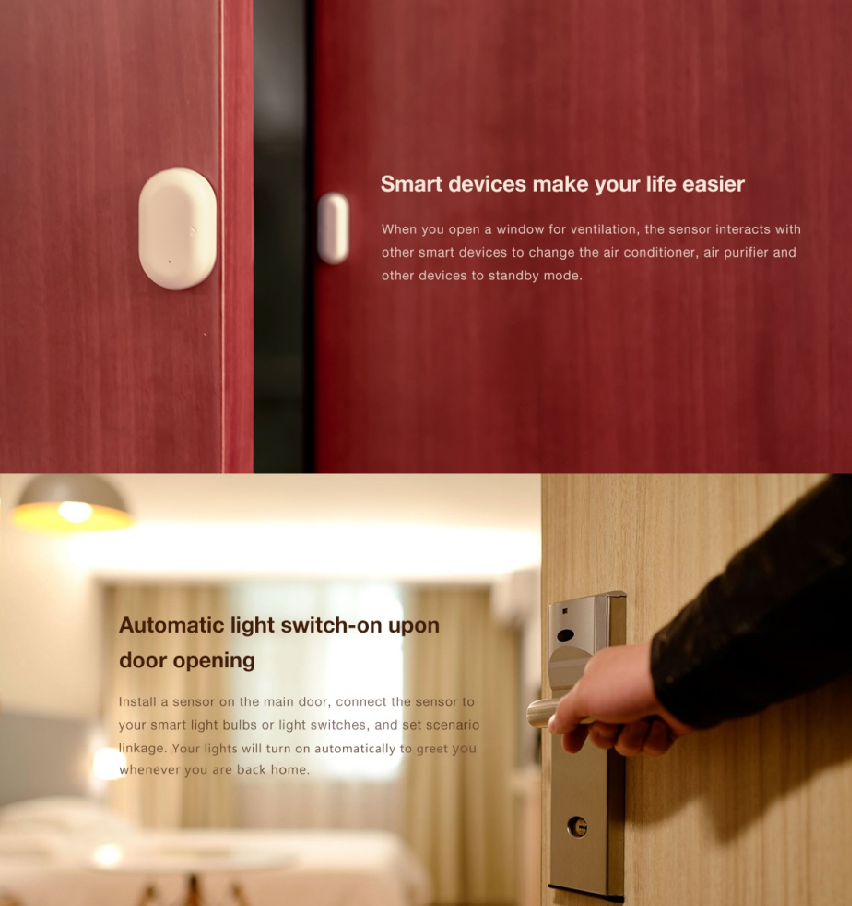
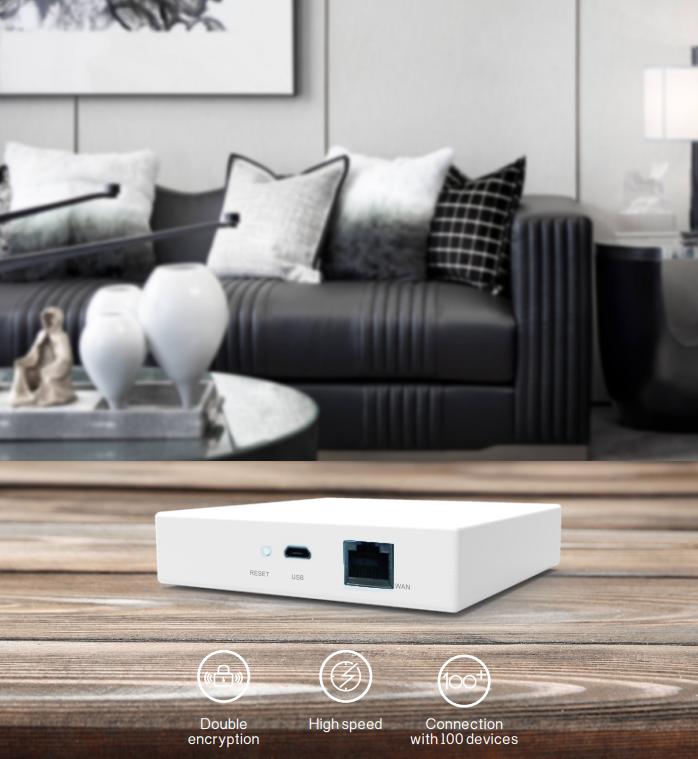
In Amazon.com, we present our first ESBC-branded Zigbee Smart Home products
Soon we will make available our Z-Wave ON/OFF 220V Smart Light Switch, 3-Way, wall Mounted
Check also Learn – Z-Wave